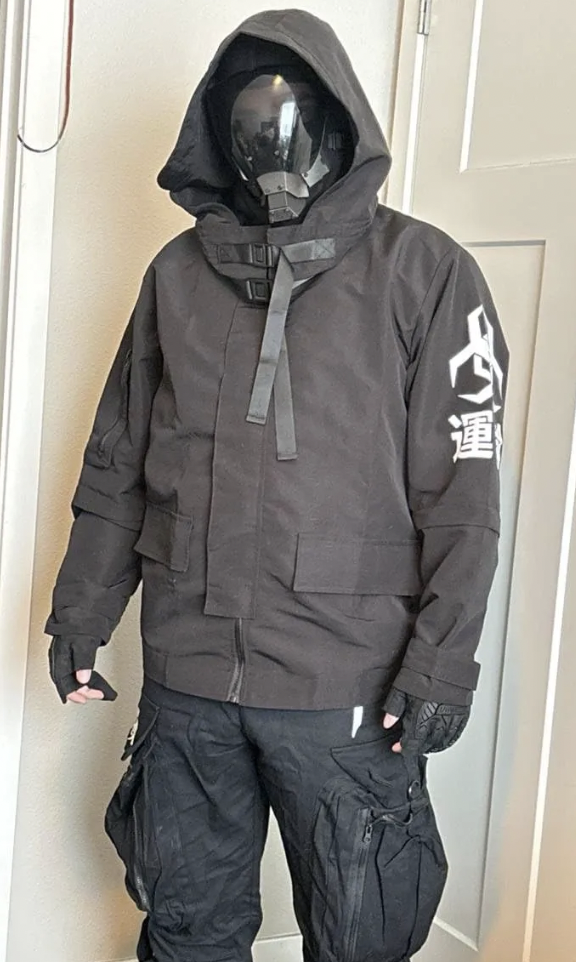
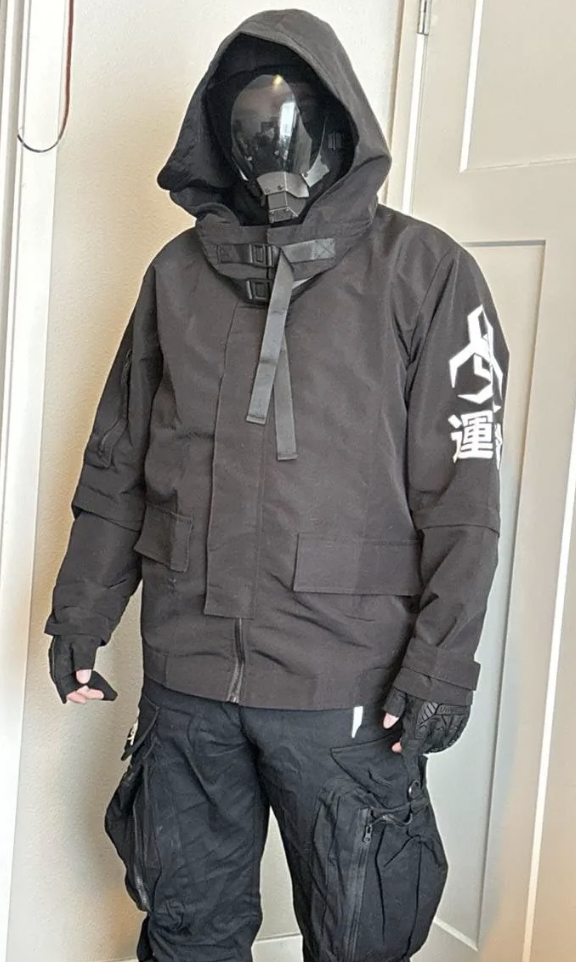
Techwear layering: engineering function and form
No time to read everything? Techwear layering isn’t just stacking clothes—it’s a purpose-built design system. Base layers (merino/synthetic) wick sweat, mid-layers (Polartec/down) trap heat without bulk, and Gore-Tex shells block rain while breathing. This 3-layer approach adapts to the UK’s chaotic weather, blending function with minimalist futurism. Techwear Layering Guide
Ever felt overwhelmed by conflicting advice on how to layer techwear for London’s mercurial weather? A techwear layering guide isn’t about piling on garments—it’s about building a responsive ecosystem. In my years navigating Tokyo’s neon-lit streets and Manchester’s relentless drizzle, I’ve learned that the right design system transforms how you interact with cities—merino wool next to skin, a modular midlayer adapting to temperature shifts, and a shell that repels rain while your body breathes. Whether transitioning from a heated office to a windblown commute, each layer acts as a seamless system, balancing function and futurist aesthetics. This isn’t just clothing; it’s urban armor merging Japanese minimalism with British pragmatism.
Beyond the basics: why techwear layering is a design system
When I first layered a waterproof softshell over a modular midlayer, I realised techwear isn’t just clothing—it’s a design system. The right fabrics don’t only protect you from rain; they change how you move in the city. That’s the heart of this culture: utility that feels almost futuristic.
“When I first layered a waterproof softshell over a modular midlayer, I realised techwear isn’t just clothing—it’s a design system. The right fabrics don’t only protect you from rain; they change how you move in the city.”
Techwear layering operates on a precise three-tier framework: base layers for moisture control, midlayers for thermal regulation, and outer shells for weather protection. Each layer has a distinct purpose, but their true power emerges when they work in harmony. Inspired by outdoor performance gear, this system adapts to urban chaos—sudden downpours, overheated trains, or brisk night walks—without sacrificing aesthetic integrity.
This techwear layering guide will decode how to master this balance. You’ll learn to build outfits that respond to microclimates, maintain sleek silhouettes, and reflect the cyberpunk-inspired minimalism at techwear’s core. For deeper context on how Japanese design philosophy shapes this system, explore our breakdown of Japanese techwear—a foundational influence on modern urban layering logic.
The foundation: your base layer for moisture management
Your base layer isn’t fabric—it’s thermal regulation’s backbone. A weak foundation breaks even premium shells. Its job? Shift sweat away from skin to keep you dry through London’s microclimates or Tokyo’s humidity shifts. Urban survival, not hype.
Climbing research proves: moisture transfer prevents the “wet chill” haunting city dwellers. Let’s decode this for urban life.
Materials that deliver performance
Three city-ready materials:
- Merino wool: Natural temperature control. Odour-resistant fibres stay fresh through meetings and gym detours. Softer than traditional wool, but avoid heavy friction zones like backpack straps.
- Synthetic blends (polyester/nylon): Hydrophobic fibres repel sweat, drying 30% faster than wool. Built for sudden downpours or high-intensity commutes.
- Silver-infused fibres: Permanent anti-bacterial properties. Silver particles in yarns outlast chemical treatments. Proven through 5-day wear cycles with zero stink.
Why cut matters more than you think
“Second skin fit” isn’t style—it’s function. The layer must lie flat against skin for moisture to wick, yet stretch for navigating crowds or sudden sprints. Benefits:
- Direct contact boosts sweat transfer to outer layers
- No bunching under midlayers = consistent heat control
- Streamlined shape keeps techwear’s architectural lines
Baggy fits? 1995 called—it’s not 2025.
Urban layering reality check
This layer defines shell/midlayer performance. A poor moisture barrier forces shells to over-ventilate. Sweat-trapping synthetics create sauna-like gaps. Merino-synthetic hybrids solve this: merino handles odours, synthetics handle sweat. Test in drizzle or fog—you’ll stay dry without smelling like a techwear stereotype.
Ready for weatherproof urban mobility? Master midlayer essentials in Part 2.
The adaptive engine: your mid-layer for insulation

In my years observing techwear's evolution, I’ve found the mid-layer to be the unsung hero of layering systems. Its purpose is simple yet precise: trap body heat while remaining breathable. Unlike static insulation, techwear mid-layers create a dynamic buffer—retaining warmth without bulk, adapting to activity and environmental shifts. Whether navigating London’s drizzle or Tokyo’s winters, this is where function meets finesse. The mid-layer isn’t just transitional—it’s predictive, engineered to respond before you consciously adjust.
Materials define performance. Polartec® Alpha® stands out for high-output activities, balancing breathability with heat retention. Its structured design manages moisture efficiently, ideal for fast-paced commutes. Lightweight down jackets, like those in our techwear hoodies collection, excel in dry cold, compressing to packable sizes for adaptability. Synthetic fleece offers humidity-resistant reliability—maintaining insulation even when damp. Each material serves a role: Polartec for movement, down for compressible warmth, and fleece for durability. Prioritize heat-to-weight ratios and compressibility for urban practicality, where every gram matters. For example, a Polartec Alpha vest adds core warmth during a winter run without trapping sweat, while a down hoodie becomes a compact heat source between meetings in a heated café and a cold train station.
Modularity transforms utility into art. Zip-off sleeves adjust to temperature swings, while hood attachments integrate seamlessly with outer shells. Underarm zips act as climate-control valves; a gilet (vest) with a stowable collar offers versatility. As one designer put it, “A great mid-layer is a chameleon. It provides warmth when needed and disappears when not, all while maintaining clean lines.” Pair a Polartec Alpha gilet with a Gore-Tex hardshell, and you’ve got a system that transitions from a heated office to a blustery platform without missing a beat. This isn’t just clothing—it’s a responsive tool for modern urban life.
The Protective Shield: Your Outer Shell For Weather Defence
Your outer shell isn’t just clothing—it’s a climate-controlled barrier against urban weather. This layer solves a paradox: keeping water out while allowing sweat to escape. Microporous membranes achieve this by using pores 700 times smaller than raindrops but 20 times larger than sweat vapor. The result? Protection that adapts to any environment, from Tokyo’s humidity to London’s sudden showers.
Techwear Materials: Beyond Gore-Tex
While Gore-Tex dominates conversations, alternatives like Pertex Shield and The North Face’s FUTURELIGHT offer unique benefits. Pertex prioritises breathability for fast-paced city life. FUTURELIGHT’s nanospun structure balances waterproofing with flexibility. These materials rely on DWR coatings to bead water initially, preventing fabric saturation that could compromise comfort. Even eVent, with its “dry system” design, deserves mention for extreme breathability—at the cost of frequent DWR maintenance.
Techwear jackets showcase this engineering. Taped seams block water at stitch points. Waterproof zippers with TPU-sealed teeth transform jackets into weather protection. Details matter: ergonomic elbows designed for movement, storm flaps hidden beneath plackets that double as wind barriers.
Design Functionality: Form Meets Urban Survival
Outer shells blend aesthetics with utility. Asymmetrical collar seams prevent rain from dripping down your neck—a legacy of Japanese functional design. Pockets angled at 45° offer accessible storage without bulk, merging minimalist lines with practicality. Even fabric sounds are considered: high-denier nylon’s subtle rustle reinforces confidence without announcing your presence.
Testing a fully seam-sealed jacket during Berlin’s winter revealed the difference. No moisture absorption. No internal humidity. Just seamless interaction between body movement and environmental resistance. That’s techwear’s promise: protective gear that disappears when working perfectly.
Creating a cohesive silhouette: the art of techwear aesthetics

Color palettes and textural contrast
Monochromatic schemes dominate techwear for a reason. Blacks, greys, olives, and navy blues act as a canvas, letting technical details and silhouettes steal the spotlight. These tones aren’t just practical—they echo the urban landscapes techwear thrives in, where function meets understated sophistication.
Texture becomes your tool for depth. Pair a matte 4-way stretch nylon pant with a subtly glossy Gore-Tex jacket. The interplay creates visual interest without sacrificing cohesion. For those embracing darker aesthetics, our darkwear collection pushes this further, blending stealthy tones with tactical textures for maximum impact.
The architectural approach to layering
A precise fit defines techwear’s ergonomic philosophy. Each layer must nest seamlessly—no awkward bunching at elbows or restrictive chest pulls. I’ve found that garments with articulated knees and gusseted underarms move with you, not against you. This isn’t fashion fighting function; it’s both working in unison.
Draw inspiration from cyberpunk’s geometric futurism. Angular lines and modular components—like adjustable storm flaps or magnetic closures—sculpt a silhouette that feels engineered rather than assembled. Explore how cyberpunk fashion merges utility with avant-garde shapes for urban adaptability.
The elegance of minimalism
Minimalism in techwear isn’t austerity—it’s elegant efficiency. Three principles guide this approach:
- Focus on silhouette: Let clean lines and structured volumes define your look.
- Strategic colour use: Stick to 2-3 core tones; let zippers or seam lines provide accenting.
- Functional details as accents: Exposed waterproof zippers and taped seams earn their place as design features.
This isn’t about restriction—it’s about intentionality. As discussed in The Art of Minimalism in Techwear, simplicity amplifies the purpose behind every stitch. Your layers should whisper functionality while shouting confidence.
A Practical Guide To Layering For Specific UK Scenarios
British weather demands adaptability. I’ve walked Manchester’s rain-lashed streets and cycled through London’s sudden downpours. In these moments, techwear’s layering system proves its worth—not just as clothing, but as a survival strategy for urban life.
| Scenario (Weather & Activity) | Recommended Base Layer | Recommended Mid-Layer | Recommended Outer Shell | Key Consideration |
|---|---|---|---|---|
| Cool, Damp Commute (e.g., London Autumn) | Synthetic long-sleeve (for wicking humidity) | Lightweight fleece or technical hoodie | Waterproof but breathable hard shell jacket | Balance waterproofing with breathability to avoid clamminess on crowded trains |
| Cold, Windy Day (e.g., Winter walk in Manchester) | Merino wool (for superior warmth) | Insulated vest or Polartec fleece | Windproof softshell or hardshell | Windproof zippers and adjustable hems prevent cold air infiltration |
| Mild but Rainy Spring Day | Short-sleeve synthetic t-shirt | Optional / Very light overshirt | Packable, lightweight waterproof shell | Packability matters—store the shell in a pocket when skies clear |
| High-Activity Urban Exploration (e.g., cycling) | High-wicking synthetic t-shirt | Breathable grid fleece | Vented, ergonomic softshell | Look for underarm zips in the outer shell to regulate heat during exertion |
Layering isn’t rigid. I’ve found merino wool base layers excel in winter, but synthetic alternatives offer better moisture management for sudden downpours. A Polartec fleece mid-layer retains warmth even when damp—a lifesaver on drizzly Manchester mornings. For outer shells, Gore-Tex remains unmatched in prolonged rain, though budget alternatives like GORE-TEX INFINIUM WINDSTOPPER work well for brief showers.
Personalize your system. Some prefer synthetic insulation in mid-layers for wet conditions; others swear by down’s warmth-to-weight ratio. Explore warcore pieces if your style leans aggressive. Remember: techwear is a toolkit, not a uniform. The right layers let you move through cities like a design element—precise, protected, and perpetually ready for the next weather shift.
Common techwear layering mistakes and how to avoid them
Every techwear enthusiast makes layering mistakes early on. I've seen countless beginners struggle with overheating or restricted movement while trying to master urban climate adaptability. These common errors hinder performance and style.
- Using a cotton base layer: Cotton absorbs moisture like a sponge. When damp, it sticks to your skin, creating chill and discomfort. Technical fabrics like merino wool or synthetic blends actively wick sweat away, maintaining body temperature efficiently.
- Ignoring breathability: A waterproof shell works only when paired with breathable mid and base layers. Without this synergy, moisture gets trapped inside your clothing system. I've personally felt the frustration of sweating inside a "weatherproof" jacket that lacked proper venting.
- Poor fit between layers: A bulky midlayer ruins mobility under a technical shell. Conversely, an overly tight outer layer compresses your midlayer's insulation, reducing its effectiveness. Think of layering like architectural design - each component must complement the others structurally.
- Over-layering in static situations: Urban environments demand adaptability. You wouldn't wear ski gear to a café. Modular systems with removable elements prevent that "sauna effect" when transitioning between activity and rest states.
- Forgetting your legs: Most overlook lower body layering. Pairing technical upper layers with regular jeans breaks the system's integrity. Consider technical pants as foundation for true climate control from torso to ankles.
Effective layering operates as a unified system. Each garment must complement others in fabric, function, and cut. This synergy creates what I call the "urban climate control" - adapting to London's sudden showers as effortlessly as Tokyo's humid summers.
Building Your Adaptive Wardrobe
Techwear layering operates as a modular system: base layers manage moisture, midlayers regulate temperature, and outer shells deflect urban chaos. This trifecta ensures you stay dry under drizzle, warm during cold commutes, and unencumbered by bulk.
Function isn’t just technical specs—it’s how these layers harmonise. A Gore-Tex shell loses purpose without a breathable base layer beneath. Mastery comes from understanding these interdependencies, then experimenting. Start with one quality piece; let it teach you.
In my experience, building a techwear wardrobe is a journey. Begin with a versatile outer shell—something like our jackets—then add modular midlayers and moisture-wicking base layers. Each garment becomes a tool for navigating concrete jungles, rain or shine.
See your clothes as urban survival gear. A cargo pant’s hidden pockets hold transit cards. A removable hood adapts to sudden storms. This isn’t fashion—it’s a design language for city dwellers.
Ready to refine your system? Explore our styling guide for daily wear or the Japanese origins of techwear to grasp its cyberpunk soul. Your wardrobe should evolve, not stagnate. Start here.
Techwear layering isn’t just about clothing—it’s a philosophy. Each layer, from moisture-wicking base to weatherproof shells, works in synergy to redefine urban living. Start small: invest in a quality outer shell, then refine your system. Let your wardrobe evolve into a toolkit for every scenario. Explore our styling guide to transform function into daily artistry.
FAQ
What defines techwear layering as a 'design system' rather than just clothing?
When I first combined a waterproof softshell with a modular midlayer, I understood techwear’s essence: it’s a response to urban environments. Each layer—base, mid, shell—works like a circuit board, adapting to weather, movement, and temperature. Unlike casual wear, these layers synergise function and aesthetics, creating a system that feels almost cyberpunk in its precision. The right fabric choices don’t just protect you; they redefine your relationship with the city.
How do base layers manage moisture more effectively than regular cotton?
Cotton traps sweat, leaving you damp and chilled. Techwear base layers, like Merino wool or synthetic blends, act as moisture highways. They wick perspiration away from your skin, using capillary action to evaporate it. In my experience, this isn’t just comfort—it’s survival. Synthetic options dry rapidly during activity, while Merino adds natural odour resistance. Both rely on that ‘second-skin’ fit to maximise contact with your body, ensuring efficiency in damp London autumns or humid tube rides.
Why prioritize Polartec® Alpha® over traditional fleece for mid-layers?
Traditional fleece sacrifices mobility for warmth. Polartec® Alpha®, by contrast, is engineered for urban unpredictability. It traps heat even when compressed, maintaining insulation under a shell jacket. I’ve seen techwear hoodies with this fabric transform layering—they’re breathable yet retain warmth during sudden downpours. Their real advantage? Modular design. Think zippable sleeves or adjustable hems that let you adapt mid-walk without unpacking. It’s the Japanese philosophy of ‘mottainai’ applied to fabric: use less, achieve more.
Can I use a hardshell jacket in mild weather without overheating?
Absolutely—if you treat it as a strategic tool. Hardshells like Gore-Tex excel at repelling rain while letting sweat escape through micropores. But in mild conditions, pair it with a short-sleeve synthetic base layer and skip the midlayer. I often wear a packable shell on spring drizzle days; its adjustable pit zips and lightweight design let me regulate temperature. The key? Treat the hardshell as a responsive shield, not a permanent barrier. That’s the beauty of layering: you’re never locked into one configuration.
How does minimalism shape techwear’s aesthetic harmony?
Minimalism isn’t just a style—it’s a functional necessity. Overloading with patterns distracts from the silhouette, techwear’s true star. Monochrome palettes (black, charcoal, moss) let textures—matte softshells against glossy midlayers—create depth. This echoes Japanese wabi-sabi principles: quiet, intentional details over noise. Even hardware like waterproof zippers becomes design punctuation. The result? A uniform that’s both futuristic and timeless, where every zip and seam serves purpose, not just decoration.